View By :

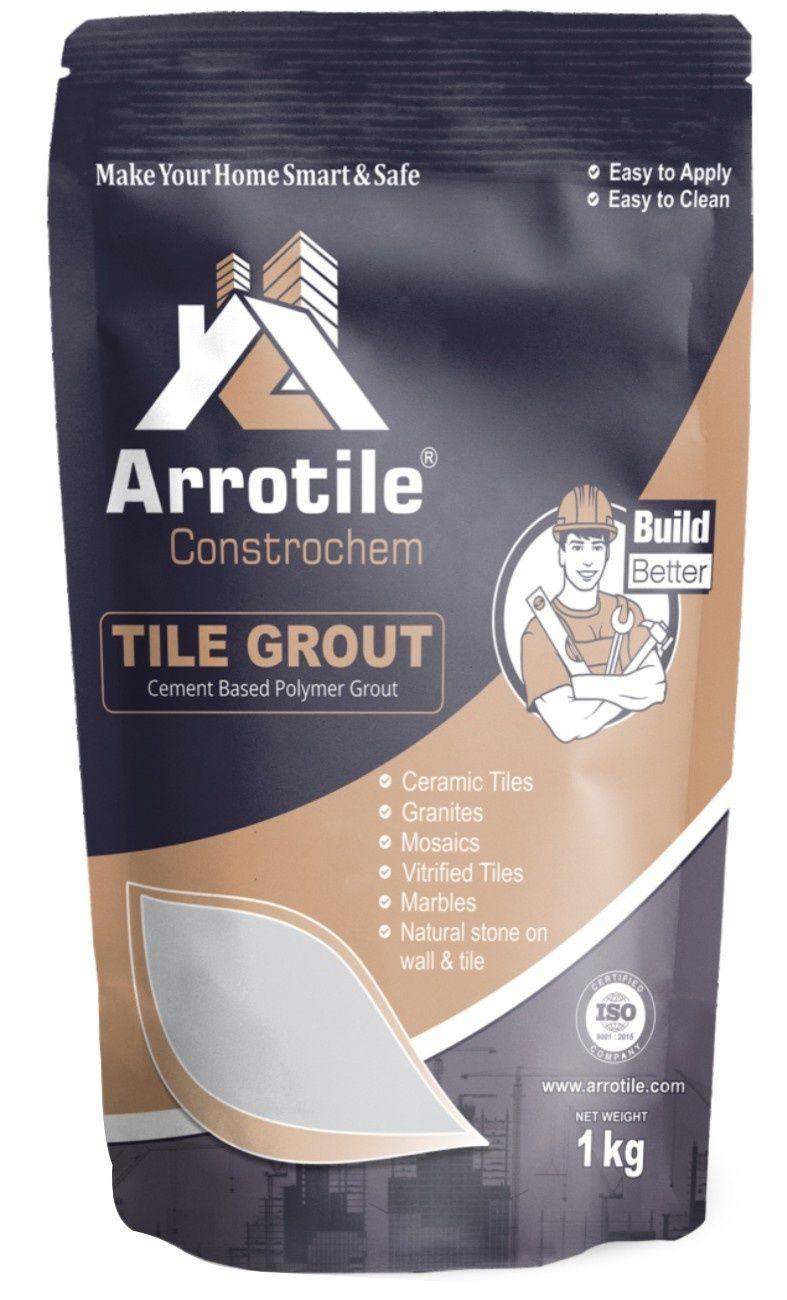
Powdered tile grout fills the gaps between tiles after installation, sealing the surface against water, dust, and the humidity that Indian climates are known for. Mixed on-site with water, powdered grout gives contractors and masons more control over consistency than ready-mix options, which matters on sites where mixing is often done by hand.
This category brings together powdered tile grout from leading Indian and international brands, so you can compare strength, water resistance, shade range, and setting time before you buy. Whether you're grouting floor tiles in a residential flat, wall tiles in a bathroom, or large-format vitrified tiles on a commercial project, you'll find grades suited to narrow joints, wide joints, and high-moisture areas common in Indian bathrooms and kitchens.
Each listing includes pack size (1kg, 5kg, 20kg), coverage area, joint width suitability, and available shades, so contractors, dealers, and site engineers can match the grout to the project without guesswork. Dealer and bulk pricing is available across brands in INR, with delivery across major cities and towns to keep your site on schedule.
Powdered tile grout is a cement-based or polymer-modified compound used to fill the joints between tiles after they're laid. It's mixed with water on-site to form a paste, then applied into the gaps and wiped clean once it begins to set, leaving a sealed finish that protects tile edges and keeps water and dust from working their way underneath — a common issue in India's monsoon-affected regions.
Grout is typically classified by joint width — fine-grade powders for narrow joints under 3mm, common in ceramic floor and wall tiling, and sanded or coarse grades for wider joints that need extra strength and shrink resistance, often used with vitrified or stone tiles. Water-resistant and anti-fungal formulations are widely used in Indian bathrooms, kitchens, and exterior areas, where humidity and monsoon moisture would otherwise cause staining, fungal growth, or cracking in ordinary grout.
Key factors in choosing the right grout for Indian conditions include joint width, tile type (ceramic, vitrified, or natural stone), exposure to monsoon moisture, and the shade required to match local tile trends. Coverage per kg and pot life (how long the mixed grout stays workable in India's heat and humidity, which can shorten working time) also matter for planning larger jobs efficiently.
Using the correct grade and shade of grout prevents cracking, fungal staining, and water seepage over time, giving tiled surfaces in Indian homes and commercial spaces a cleaner finish and longer service life, through both summer heat and monsoon humidity.
| Product Name | Price (₹) |
|---|---|
| Arrotile Tile Grout | Get Latest Price |
